How Corporate Sponsorships Work in India
Corporate sponsorships are one of the most powerful — and most misunderstood — growth tools for Indian brands. Whether you're an event organiser seeking funding or a brand exploring partnership opportunities, understanding how the system works is the first step to making it work for you.
What Is Corporate Sponsorship?
Corporate sponsorship is a commercial arrangement where a brand (the sponsor) provides financial support, products, or services to an organisation, event, or individual (the rights holder) in exchange for agreed promotional benefits — logo placement, naming rights, audience access, and more.
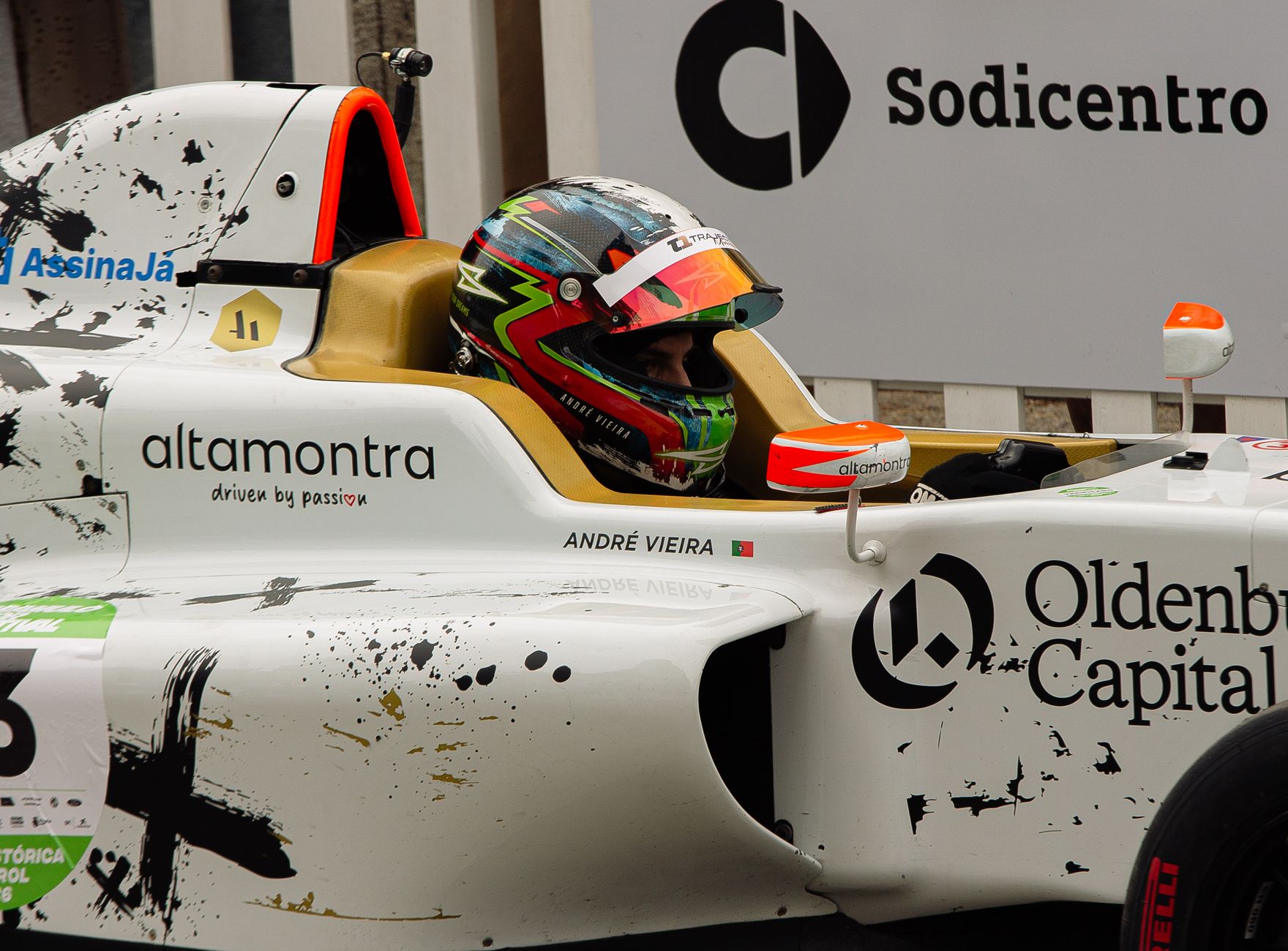
Unlike advertising, sponsorship builds association. A brand isn't just buying space on a banner — it's aligning itself with an experience, a community, or a cause that its target audience already cares about.
In India, corporate sponsorship spans sports leagues, cultural festivals, tech conferences, NGO initiatives, educational programmes, and entertainment properties — making it one of the most versatile brand-building tools available.

How Brands Select Sponsorship Partners
Indian brands run structured evaluations before committing budget. Here's what they look at when assessing a sponsorship opportunity.
Audience Alignment
Sponsors measure how closely your audience's demographics, interests, and buying power match their target customer profile. Audience fit is the single biggest decision factor.
Reach & Visibility
Footfall, viewership, social following, media coverage — brands want clear, verifiable numbers that demonstrate the scale of exposure their logo and messaging will receive.
Brand Fit & Values
A premium brand won't sponsor a budget event. Sponsors assess whether the tone, positioning, and values of your property complement their own brand identity.
Measurable ROI Potential
Modern Indian sponsors expect a defined ROI framework — lead generation, brand recall, social impressions, or sales lift — not just goodwill exposure.
Exclusivity & Category Protection
Brands often require category exclusivity to prevent competitors from appearing at the same property. Clear exclusivity terms make your proposal more attractive.
Past Track Record
Organisers with documented delivery histories — post-event reports, sponsor testimonials, media clippings — win proposals far more often than first-time pitchers.

Types of Corporate Sponsorship in India
Sponsorships in India span a wide range of formats. Understanding which type fits your property helps you target the right brands from the start.
- Title Sponsorship — The sponsor's name is integrated into the event or property name. Highest cost, maximum visibility.
- Co-Sponsorship — Multiple brands share sponsorship tiers — Presenting, Associate, Category Partner — at different investment levels.
- In-Kind Sponsorship — Products or services instead of cash. Common with F&B brands, tech companies, and hospitality partners.
- Media Sponsorship — A media house promotes the event in exchange for branding rights and on-ground presence.
- Digital Sponsorship — Brand integration into content — podcasts, webinars, social series, newsletters — targeting online audiences.

Key Terms Every Sponsorship Deal Covers
Before signing, both parties negotiate a sponsorship agreement that defines rights, obligations, and protections for the entire partnership duration.
Rights & Benefits Package
Exactly what the sponsor receives — logo placement sizes and locations, brand mentions, hospitality tickets, digital tags, spokesperson access, and any co-branding rights.
Sponsorship Fee & Payment Schedule
The total investment amount, payment milestones (advance, mid-event, post-event), and refund or force-majeure clauses if the event is cancelled or rescheduled.
Category Exclusivity
Defines which product/service category the sponsor owns exclusively. Prevents a rival brand in the same category from appearing at the same property.
Activation Rights
Permissions for on-ground sampling, kiosk setup, interactive zones, sponsored segments, or product demos — any direct brand experience the sponsor wants to create.
IP & Usage Rights
Who can use event branding in advertising, and for how long. Covers digital content rights — whether the sponsor can post event footage, photos, or branded highlights.
Reporting & Measurement
Agreed KPIs — impressions, reach, social mentions, footfall — and the post-event report format the organiser delivers to demonstrate sponsorship value delivered.
The Sponsorship Deal: Step by Step
Most corporate sponsorships in India follow a structured cycle from first approach to final reporting.
Sponsorship Deck
Build a compelling deck with audience data, reach metrics, tier options, and clear benefits for each investment level.
Brand Outreach
Identify brand decision-makers — typically marketing managers or CMOs — and pitch through direct email, calls, or agency intermediaries.
Negotiation
Brands counter-propose on pricing, tier benefits, and activation rights. Expect 2–4 rounds before reaching a final agreement.
Contract & Activation
Sign the agreement, collect the advance, and begin fulfilling delivery milestones — branding, activations, and sponsor communications.
Need Help Landing the Right Sponsors?
Knowing how corporate sponsorships work in India is just the beginning. Structuring a winning proposal, pricing your tiers correctly, and negotiating with brands takes experience — and the right network. Ask For Solutions manages the entire process for you.
Explore Our Sponsorship Management ServicesEnd-to-end sponsorship management for events, sports properties, and cultural initiatives across India.